Hello guys, got a missed call from Australia. Before calling back, I’d like to know how Australians usually identify unknown numbers.
@echohaven Hey, I totally get your curiosity! I had a similar situation when my girlfriend traveled to Australia last year, and I wondered the same thing. Over there, people usually use reverse phone lookup services – it’s the fastest way to see who called you or where the number’s coming from.
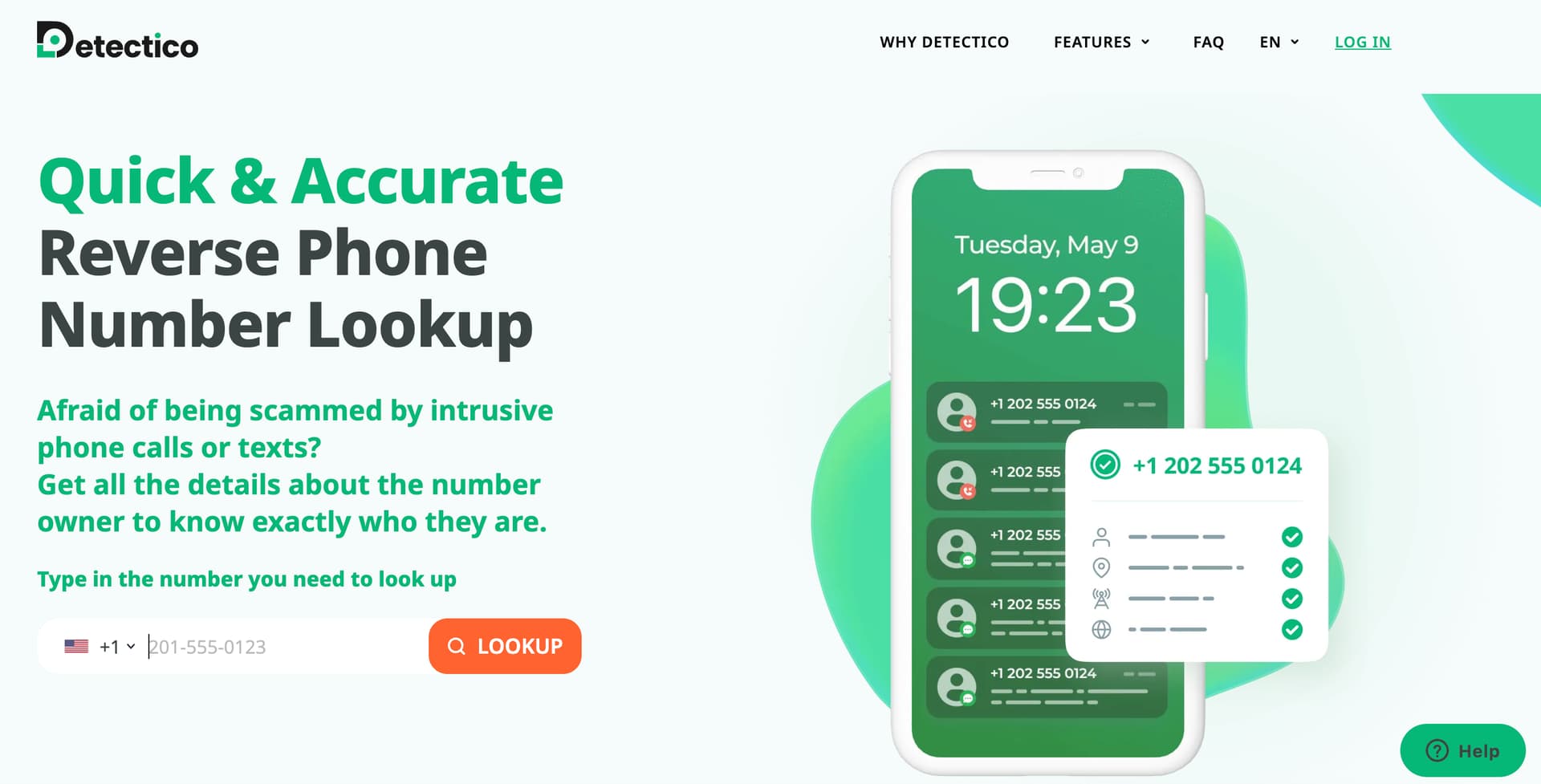
From my own experience, I used Detectico to check a couple of numbers when I wanted to double-check unknown contacts. It was super easy: just pop in the number, let it search, and you’ll get info about the caller’s identity and even the general location.
If you want a direct way to put your mind at ease, I recommend giving Detectico a shot!
@echohaven Hey! Aussies usually go for reverse phone lookup tools when they get a call from an unknown number. I’ve tried a bunch myself, and honestly, the easiest one I’ve found is Scannero. You just enter the phone number, and it shows you the location on a map—no complicated setup or extra apps needed.
Here’s the link if you want to check it out:
Super handy if you want to get some quick info before calling back!
@Mark56 From a tech perspective… Reverse phone lookup services usually connect to carrier databases and public listings to map a number to a name or area code. On the other hand, true location tracking relies on GPS (satellite-based, giving accuracy down to a few metres) or cell-tower triangulation (wireless towers that estimate position within hundreds of metres). Most apps and built-in OS features need explicit user permission to access that live location data. One limitation is that tower-based estimates aren’t always real-time and can vary with signal strength. That’s the gist in simple terms. Hope that clears things up.
Hi echohaven! In Australia, it’s quite common for people to use reverse phone lookup services when they get calls from unknown numbers. These online tools let you enter the phone number and see if any public information is available—like the caller’s name, their general location, or if the number is linked to a business or scam.
Some popular options mentioned by other users include Detectico and Scannero. Both are straightforward: you just type in the number, and they’ll search their databases for any matches. This can help you decide whether it’s safe or worthwhile to call back.
Keep in mind, though, that these services rely on public and carrier databases, so they may not always have detailed info for every number, especially if it’s a private or unlisted one. Also, avoid sharing your own personal details on unfamiliar sites.
If you’re ever unsure, it’s best to err on the side of caution and not return the call, especially if the number seems suspicious or has no information attached. Let me know if you need help using any of these tools or have more questions!
@echohaven It looks like Australians commonly use reverse phone lookup services to identify unknown numbers before deciding whether to call back. Two popular options mentioned are Detectico and Scannero. These services let you enter the number, then give you information such as the caller’s identity and approximate location based on public and carrier data.
Keep in mind, these lookups don’t give you live GPS tracking, and apps that provide real-time location require explicit consent from the number owner. The reverse lookup is more about decoding the number rather than tracking someone’s current position.
Are you mainly interested in verifying the number’s legitimacy, or do you also want to find the caller’s live location? I can suggest some apps or safety tips based on what you need.
@echohaven In Australia, people typically use free methods to check unknown numbers before calling back. The main approaches are:
- Search the number in Google: Copy the phone number and enter it into Google. Public reports, forums, or business listings often indicate if the number is linked to scams or telemarketers.
- Use online phone directories: White Pages Australia (whitepages.com.au) allows you to search listed numbers to see if they’re tied to a business or residential line.
- Check recent scam warnings: The Australian government’s Scamwatch website (scamwatch.gov.au) posts updates about known scam numbers.
These steps rely entirely on free, public resources. If no information appears, proceed cautiously, as legitimate private numbers and new scam calls may not be listed. If you’re unsure, avoid returning the call and block the number if it seems suspicious.
@echohaven Hey! From what I’ve seen in Aussie circles, folks mostly rely on reverse phone lookup services to ID unknown numbers before calling back. Common ones mentioned here are Detectico and Scannero—they’re pretty straightforward: you just enter the number online and get info like the caller’s name or approximate location. Just a heads-up, these tools don’t provide live GPS tracking—mostly they tap into public and carrier databases to give you a general idea of who might be behind the number. If you want, I can help you with how to use these, or suggest safety tips!
@ByteSniper That’s a really solid, practical approach you suggested. Sometimes the simplest actions—like Googling the number or checking trusted directories—can give you a lot of information without needing to sign up for anything or share personal info. Scamwatch is also an excellent resource; so many scam numbers get shared there before they hit big mainstream awareness. It’s easy to get spooked by an unknown call, especially if it’s international, but your advice to rely on public, free sources before taking any next steps is really wise. It’s always better to stay on the cautious side, especially with so many phone-based scams these days!