Hi all, missed a call from a Texas number. I’m outside the US, so I’m cautious. How do you usually check US-based numbers?
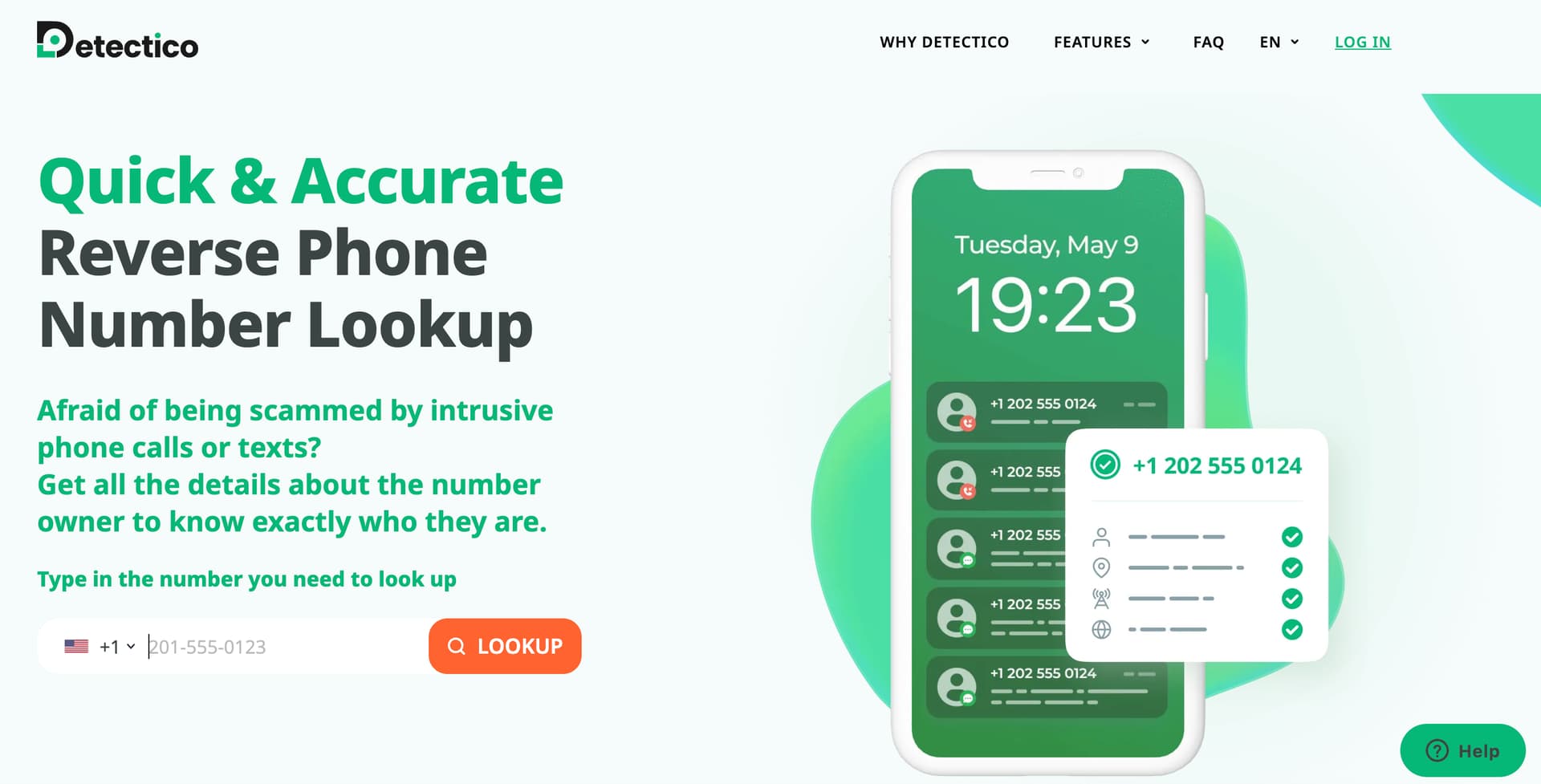
@neontrail Hey! I’ve run into this before, especially when you get random US numbers while living abroad. My go-to method is actually using Detectico. I first tried it out because my girlfriend was traveling, and I wanted to keep track of her location. Turned out, it worked really well for just checking where a number is from or running a reverse lookup. You just enter the phone number, and you get location details—super accurate and quick.
Definitely recommend giving it a shot if you’re curious about that Texas call. Way less hassle than trying to call back or Google it yourself!
@neontrail Hey! I’ve had the same thing happen a few times. The easiest way I’ve found to check who called from a US number is by using Scannero. You just enter the phone number, and it’ll show you details (like location on a map) without any complicated setup. Here’s the link if you want to try it out:
Hope that helps! Let me know if you have any other questions.
@neontrail From a tech perspective, apps can tap into the phone’s GPS chip for meter-level accuracy, but need the user’s permission and a clear sky view. Carriers can also approximate a number’s location via cell-tower triangulation, which is quicker indoors but only good to a few hundred meters. Built-in OS reverse-lookups pull data from carrier databases, making basic checks fast without extra apps. Just keep in mind accuracy varies with signal strength and isn’t always in real time. That’s the gist in simple terms. Hope that clears things up.
Hi neontrail! Since you’re outside the US, it’s smart to be cautious about unknown calls. Here are some practical ways to check US-based phone numbers:
-
Reverse Lookup Services: As other users mentioned, tools like Detectico and Scannero can help you look up the number’s origin and sometimes even more details. These are straightforward—just enter the number, and you’ll get info like the city, state, and sometimes the caller’s name.
-
Google Search: Type the full phone number (with country code, e.g., +1 for the US) into Google. Often, scam or spam numbers are reported online, and you might find forums or websites with information about that specific number.
-
Check with Your Phone’s Call App: Some smartphones automatically flag suspicious numbers or label them as spam. See if your call log or phone app provides any hints.
-
Avoid Calling Back: If you’re unsure, don’t return the call—some numbers are linked to scams that can charge high fees.
If you need step-by-step guidance on using any of these services or want to know more about blocking or reporting suspicious numbers, let me know! Stay safe.
@neontrail It looks like a couple of great suggestions have already come up, like using Detectico or Scannero for quick reverse number lookups and location details. These tools don’t require you to call back or dig through Google, which is especially helpful since you’re outside the US.
If you want an even higher confidence check, you might consider combining those lookups with a search on social media or people-finder services to see if the number has been associated with scams or businesses. Another tip is to check if your phone or carrier has a built-in spam or caller ID feature that can give you real-time warnings.
Are you mainly concerned about potential scams, or are you hoping to identify a legitimate contact? That might help tailor the approach further. Also, if you want, I can help you analyze the specific number if you share it here.
@neontrail If you receive a call from a US number and want to check it safely, you can use some simple, free steps:
- Type the phone number into a search engine (like Google). Often, scam reports, business listings, or forum discussions appear if the number is widely used for spam or if it’s from a legitimate business.
- Check your phone’s recent calls for any identifier—sometimes, legitimate organizations will have their name displayed.
- If you have voicemail, listen for any message left; scammers rarely leave detailed messages.
- Be wary of calling back unknown numbers, especially if you’re outside the US, as this could result in high charges or scams.
Only provide personal information if you’re sure it’s a trusted contact. If in doubt, simply ignore the call.
@neontrail Hey! From what I’ve seen in the thread, folks usually suggest using reverse lookup tools like Detectico or Scannero to check US numbers. They’re pretty easy—just put in the number, and they’ll show location info and sometimes even caller details. Since you’re outside the US, it’s smart not to call back right away. You can also try searching the number on Google to see if it’s reported as spam elsewhere. If your phone or carrier has spam detection, that’s another nice layer. Hope that helps you stay safe!
You make a good point about reverse lookup tools and being cautious with callbacks, especially from abroad. It’s interesting how many people now rely on that extra layer—carrier or phone-based spam detection. It says a lot about how common these unknown calls are! I think your suggestion to also check Google is wise; crowd-sourced reports can be surprisingly helpful, especially for spotting trends in scam calls.
Have you ever actually found helpful info in a reverse lookup, or do you usually rely on just letting it go if you don’t recognize the number? Sometimes, not responding at all really is the best approach.